
Inflammation and Skin Health: The Connection Most People Overlook
Introduction
Healthy skin is often seen as a reflection of good skincare routines, but in reality, what happens inside your body has an equal or even greater impact. Chronic inflammation is one of the most overlooked contributors to skin concerns such as acne, redness, premature aging, and sensitivity. Understanding this connection helps you address the root causes rather than just treating surface symptoms.
1. What is Inflammation?
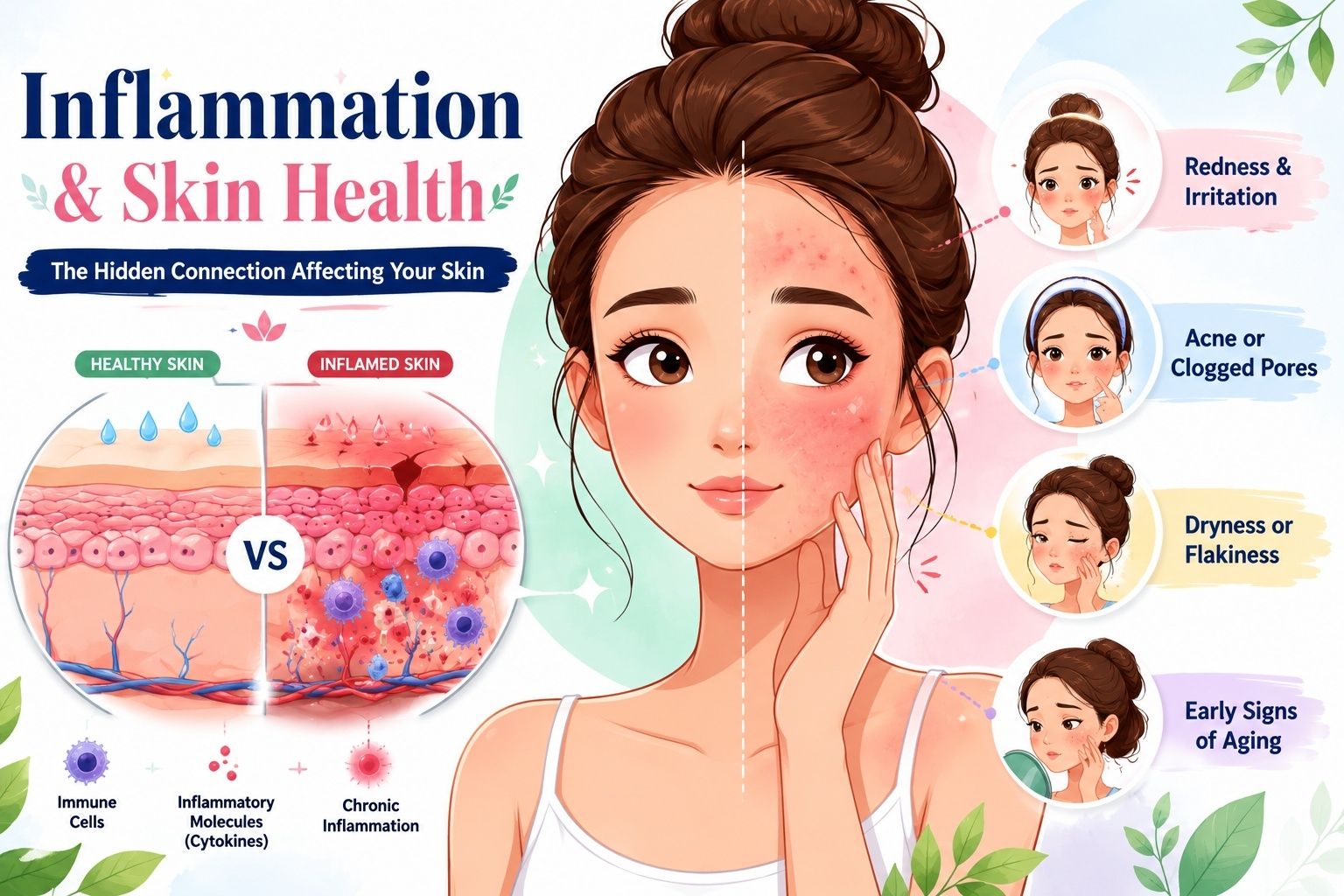
Inflammation is your body’s natural defense mechanism. Short-term, it protects tissues from injury and infection, supporting repair and recovery. However, chronic, low-grade inflammation can persist without obvious symptoms and gradually disrupt multiple body systems, including the skin.
On the skin, this may manifest as:
Redness and irritation
Acne or clogged pores
Dryness or flakiness
Early signs of aging such as fine lines or loss of elasticity
2. How Chronic Inflammation Affects Skin
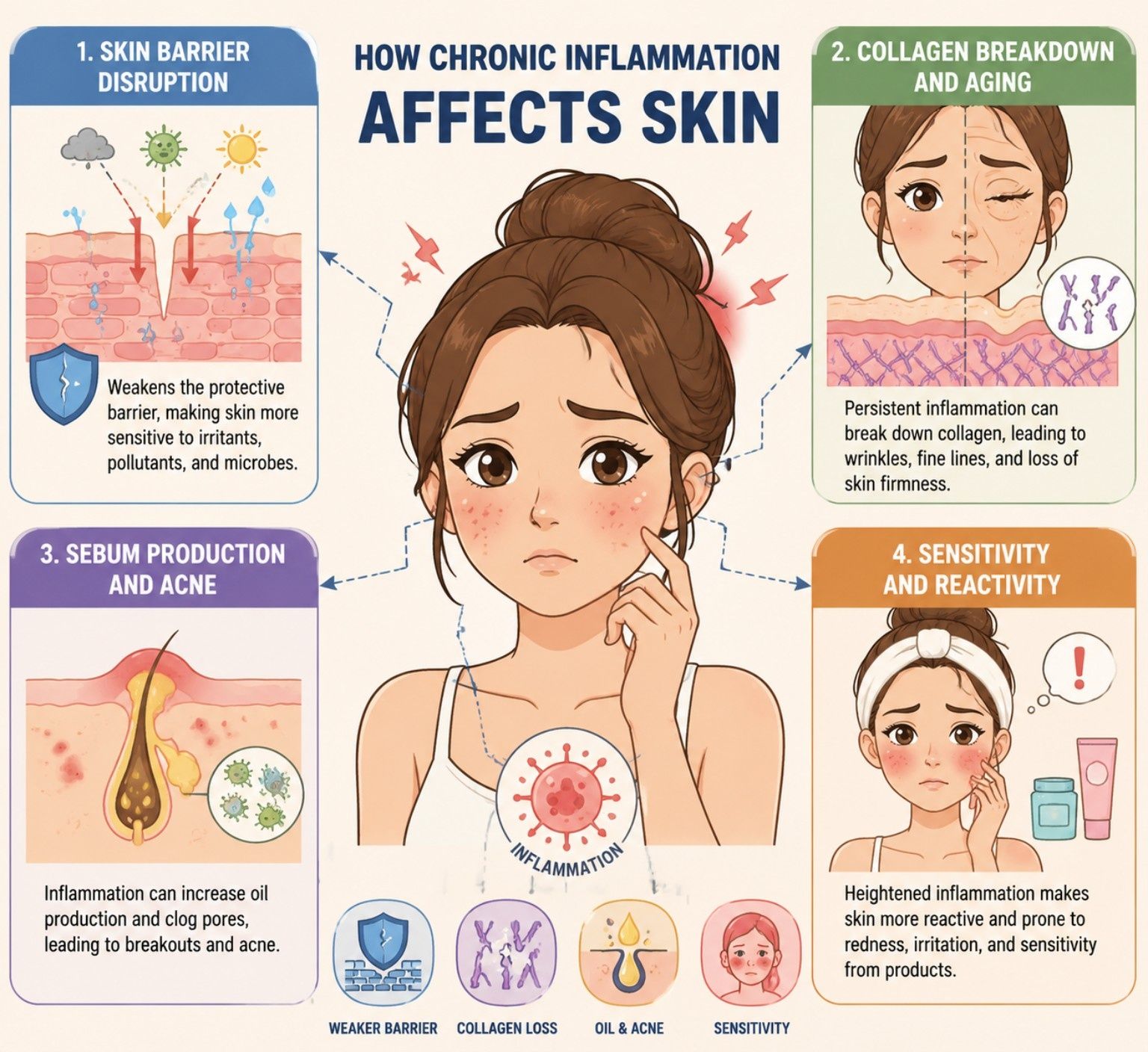
Chronic inflammation subtly interferes with the skin’s normal function:
Skin Barrier Disruption
Inflammation can compromise the protective barrier, making the skin more sensitive to environmental irritants, pollutants, and microbes.
Collagen Breakdown and Aging
Persistent inflammatory signals may accelerate collagen degradation, leading to premature wrinkles and loss of skin firmness.
Sebum Production and Acne
Inflammation can alter oil production, contributing to breakouts in acne-prone skin.
Sensitivity and Reactivity
People with ongoing inflammation may notice heightened reactions to products that previously caused no issues.
3. Factors Contributing to Skin Inflammation
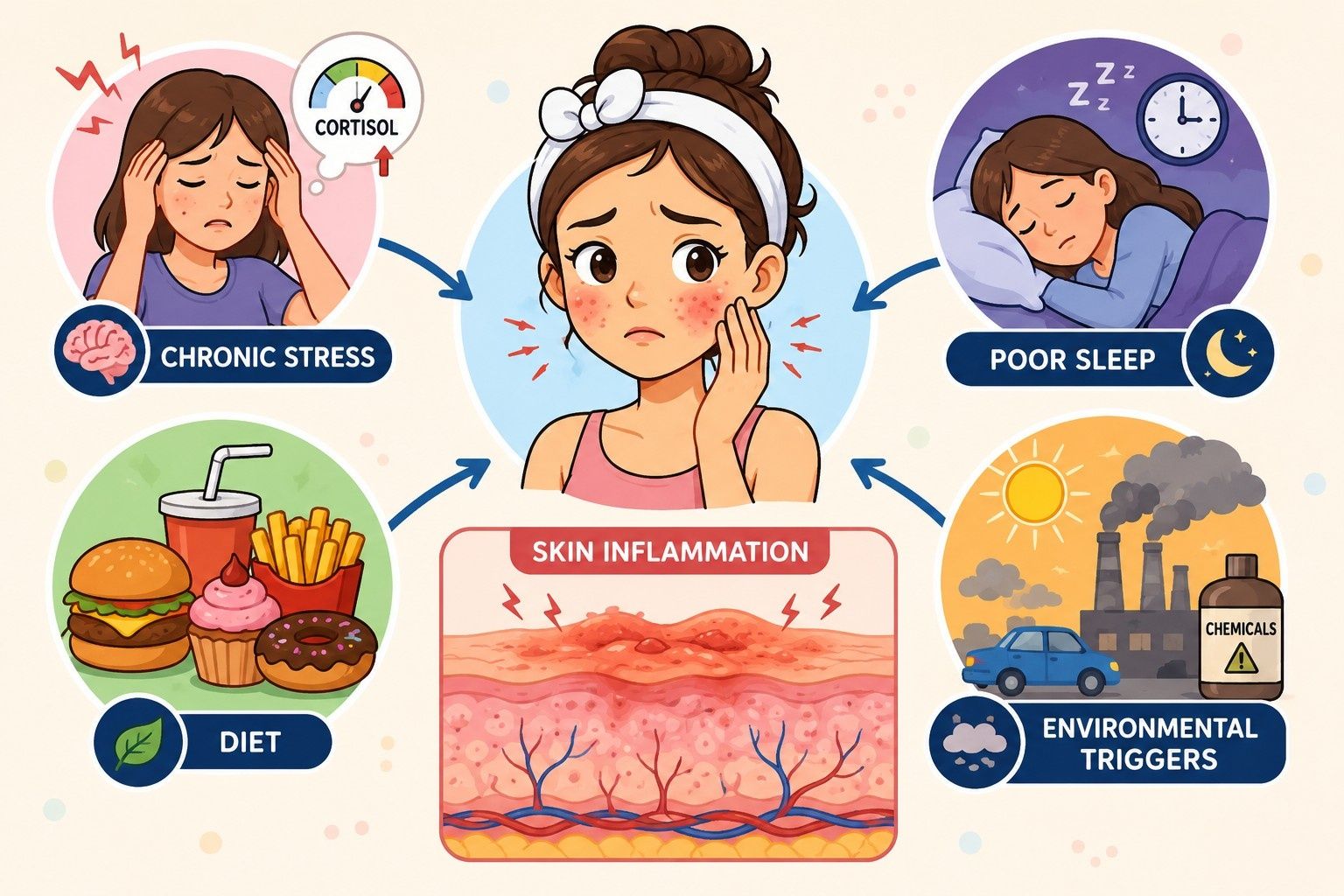
Several lifestyle and environmental factors influence inflammation:
- Chronic Stress – Elevated cortisolhttps://drwebmedcare.online/high-cortisol-when-your-body-stays-in-survival-mode/ levels affect immune response, increasing skin sensitivity and flare-ups.
- Poor Sleep – Lack of restorative sleep raises inflammatory markers and slows skin repair.
- Diet – Processed foods, excess sugar, and trans fats promote systemic inflammation. Nutrient-rich foods provide compounds that help combat it.
- Environmental Triggers – UV exposure, pollution, and harsh chemicals can worsen oxidative stress and inflammation.
4. Signs Your Skin May Be Telling You Something.

Watch for patterns that indicate chronic inflammation:
Persistent redness or blotchiness
Frequent or unexplained breakouts
Itchy, irritated, or reactive skin
Dry patches or flaky texture
Premature wrinkles or sagging.
5. Evidence-Informed Steps to Support Healthy Skin
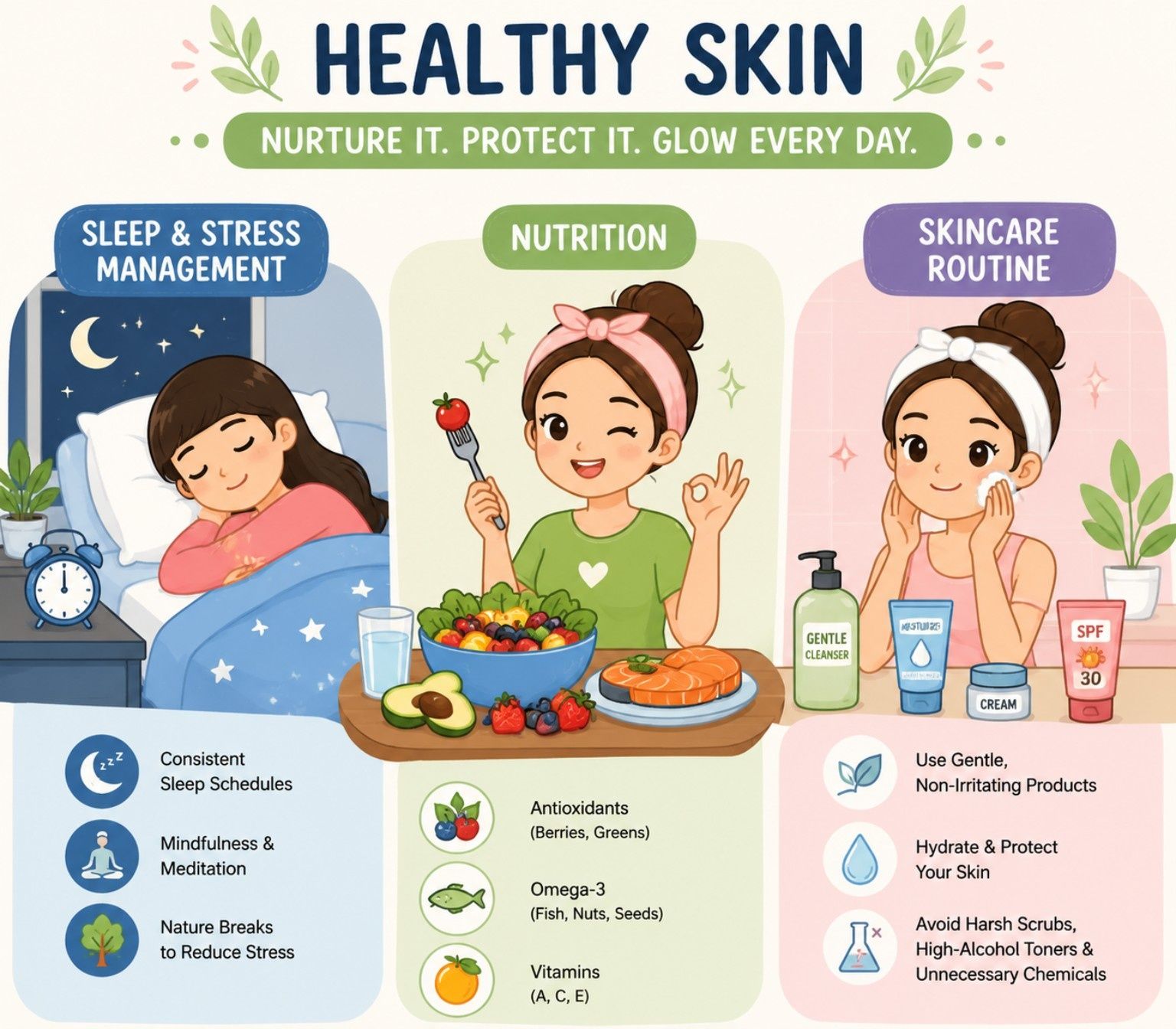
Sleep & Stress Management
Aim for consistent sleep schedules and incorporate mindfulness, meditation, or nature breaks to reduce cortisol spikes.
Nutrition
Eat a balanced diet rich in antioxidants, omega-3 fatty acids, and vitamins to help regulate inflammation.
Skincare Routine
Use gentle, non-irritating products. Avoid harsh scrubs, high-alcohol toners, or unnecessary chemical exposures.
Physical Activity

Moderate daily activity supports circulation, immune function, and stress regulation. Supplement Support (Research-Based)
Adaptogens like Ashwagandha, Omega-3 fatty acids, magnesium, and probiotics have shown potential to support skin resilience and reduce inflammation-related stress responses.
Conclusion
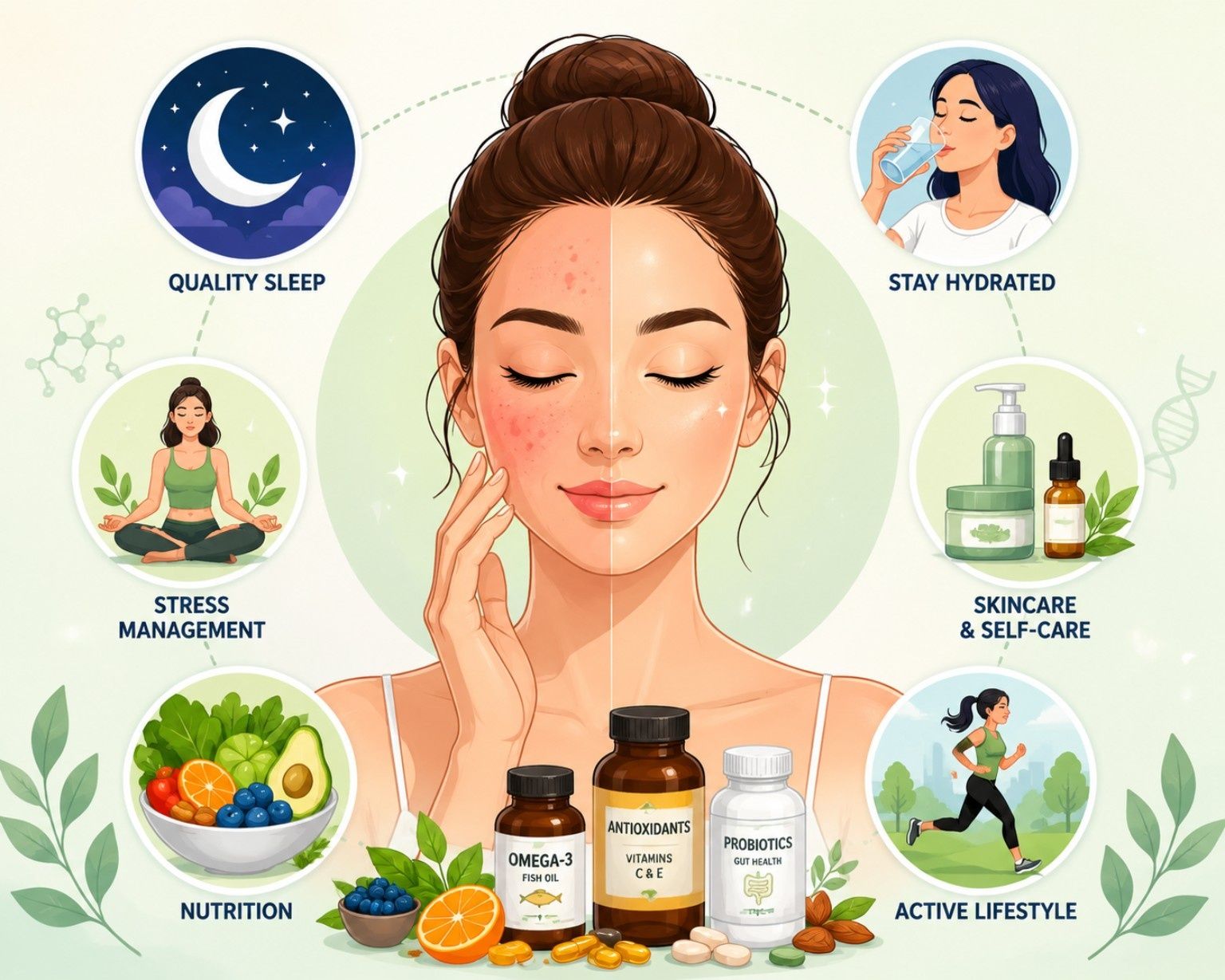 Skin health reflects a complex interaction between internal biology and external care. Chronic inflammation may silently affect your skin long before visible signs appear. By addressing inflammation through sleep, stress management, nutrition, lifestyle, and evidence-informed supplementation, you can support your skin from within.
Understanding the science behind inflammation gives you the power to make choices that improve both skin and overall wellness.